Gallery
Photographs from a college of Chinese medicine
Please read first
All photographs on this website are stock images
Every photograph on this website — including every image on this page — is a stock photograph sourced from Unsplash and used under the Unsplash licence. That licence permits commercial and non-commercial use and does not require attribution; credits are recorded in the site’s credits file as good practice, and to make any image easy to trace or replace.
These photographs do not depict the college’s staff, students, patients or premises. No image on this website shows a real consultation, a real student or a real member of the public attending SCMAT UK. The captions describe what is happening in the photograph itself: they are illustrations of a kind of activity, not a record of this college’s activity.
Some of the images on this page depict practice outside the UK, and some show conventional healthcare or general education settings rather than Chinese medicine. They are here to show the shape of the work, and they will be replaced with genuine photography of the college before this website is presented as a finished record of it.
Theme 1 of 5
Teaching and study

Students talking between sessions in a lecture hall, books open on the desksStock photograph 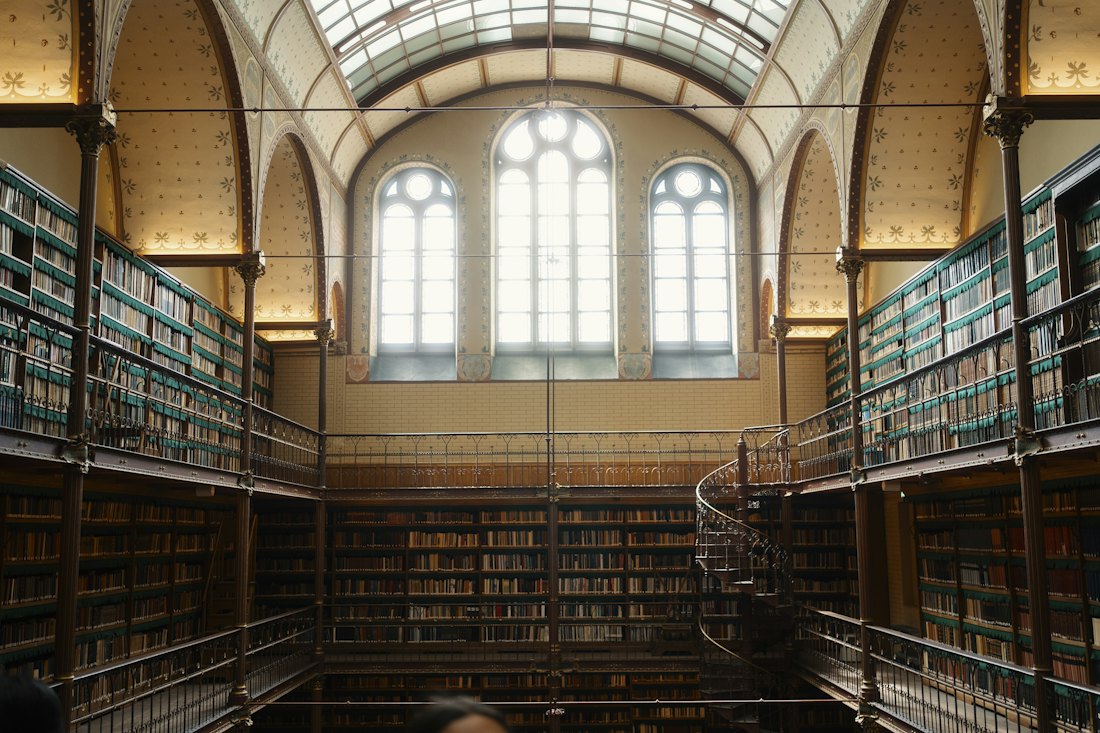
Reading room and shelving in a large reference libraryStock photograph 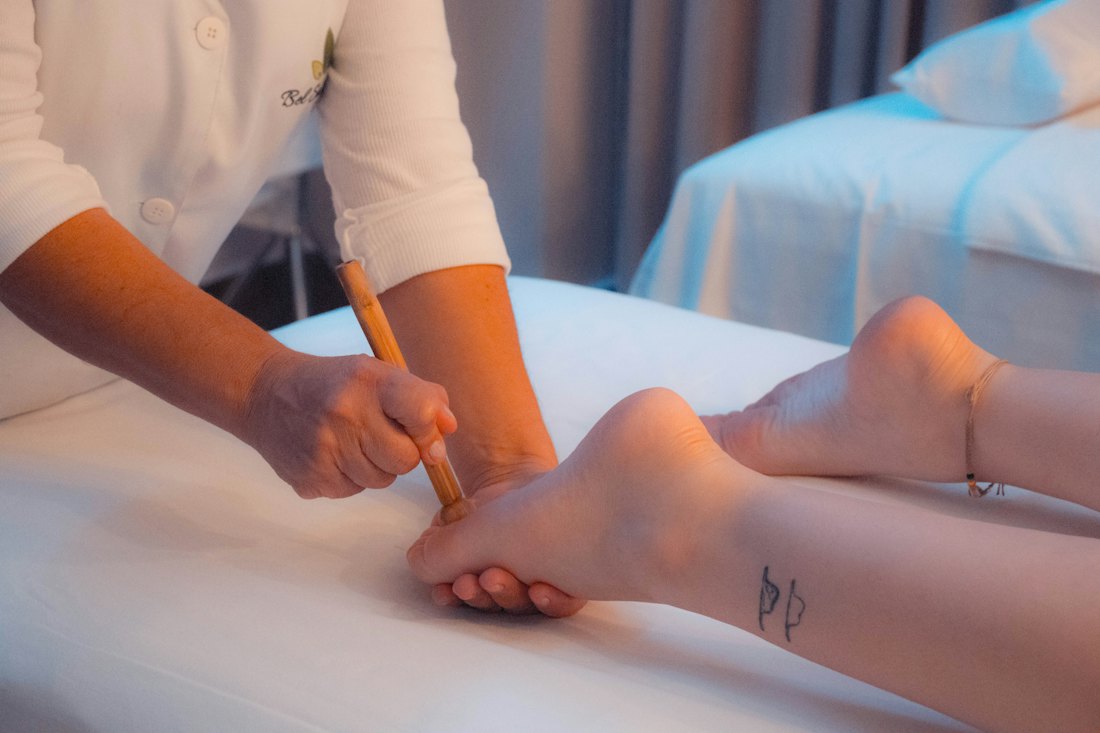
A student working through written notes and a laptop at a deskStock photograph
Theme 2 of 5
Clinical practice
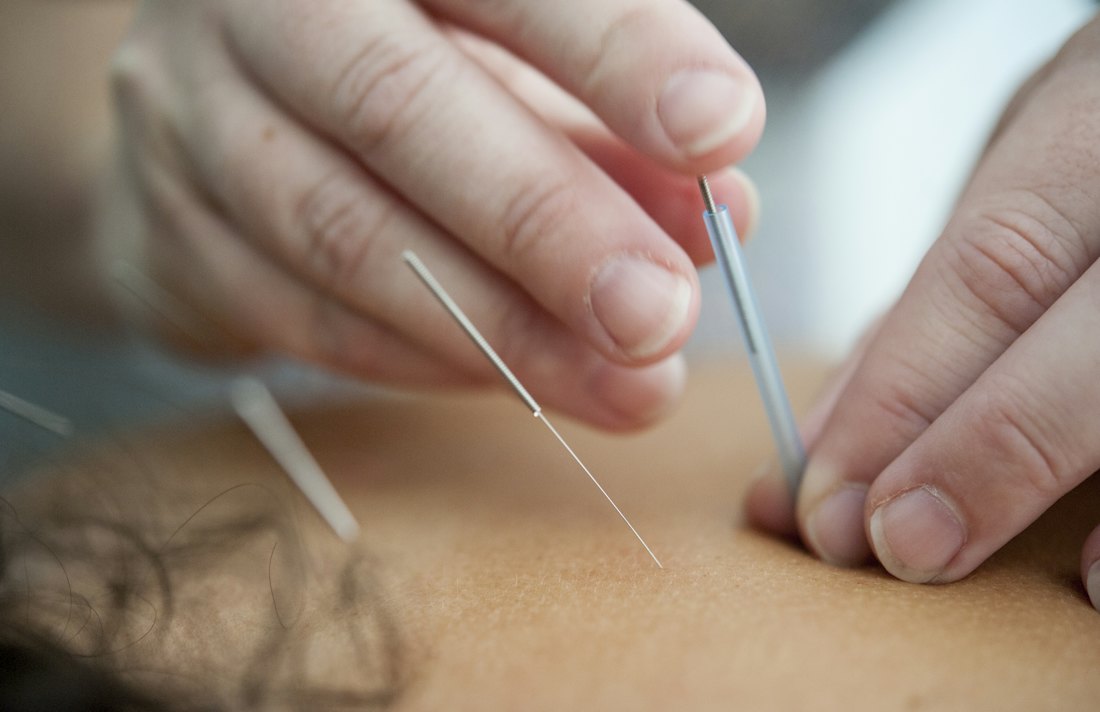
An acupuncture needle being placed in a patient's backStock photograph 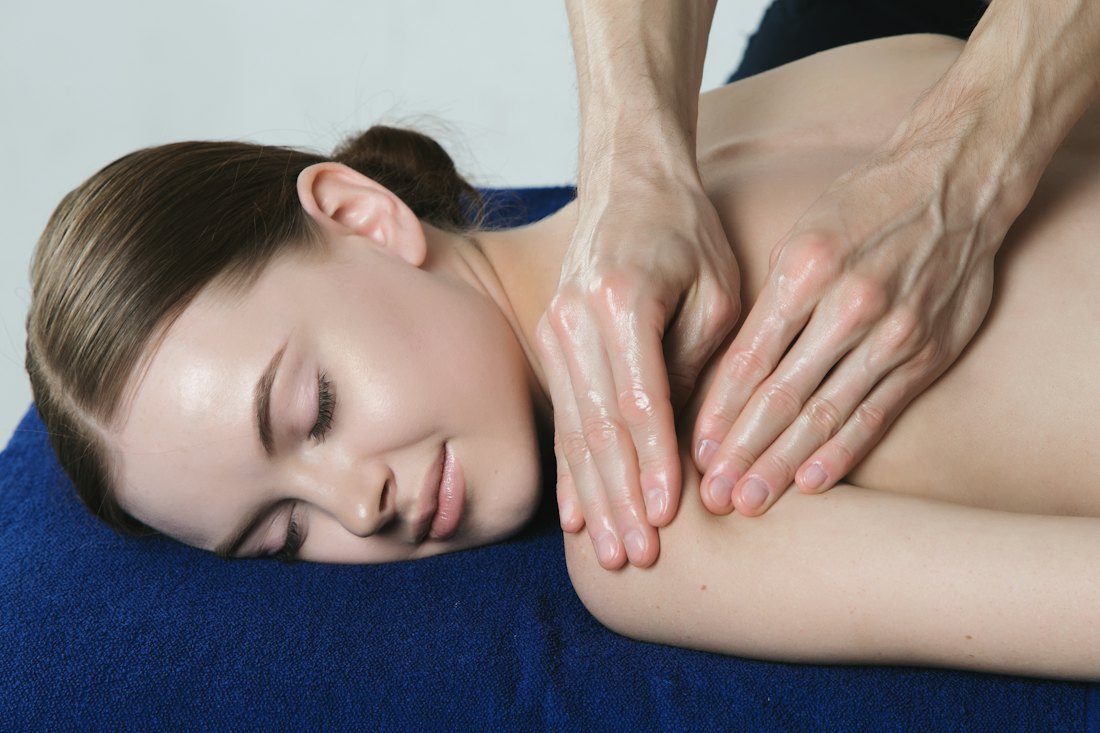
A back and shoulder massage in progressStock photograph
Theme 3 of 5
Herbs and the materia medica
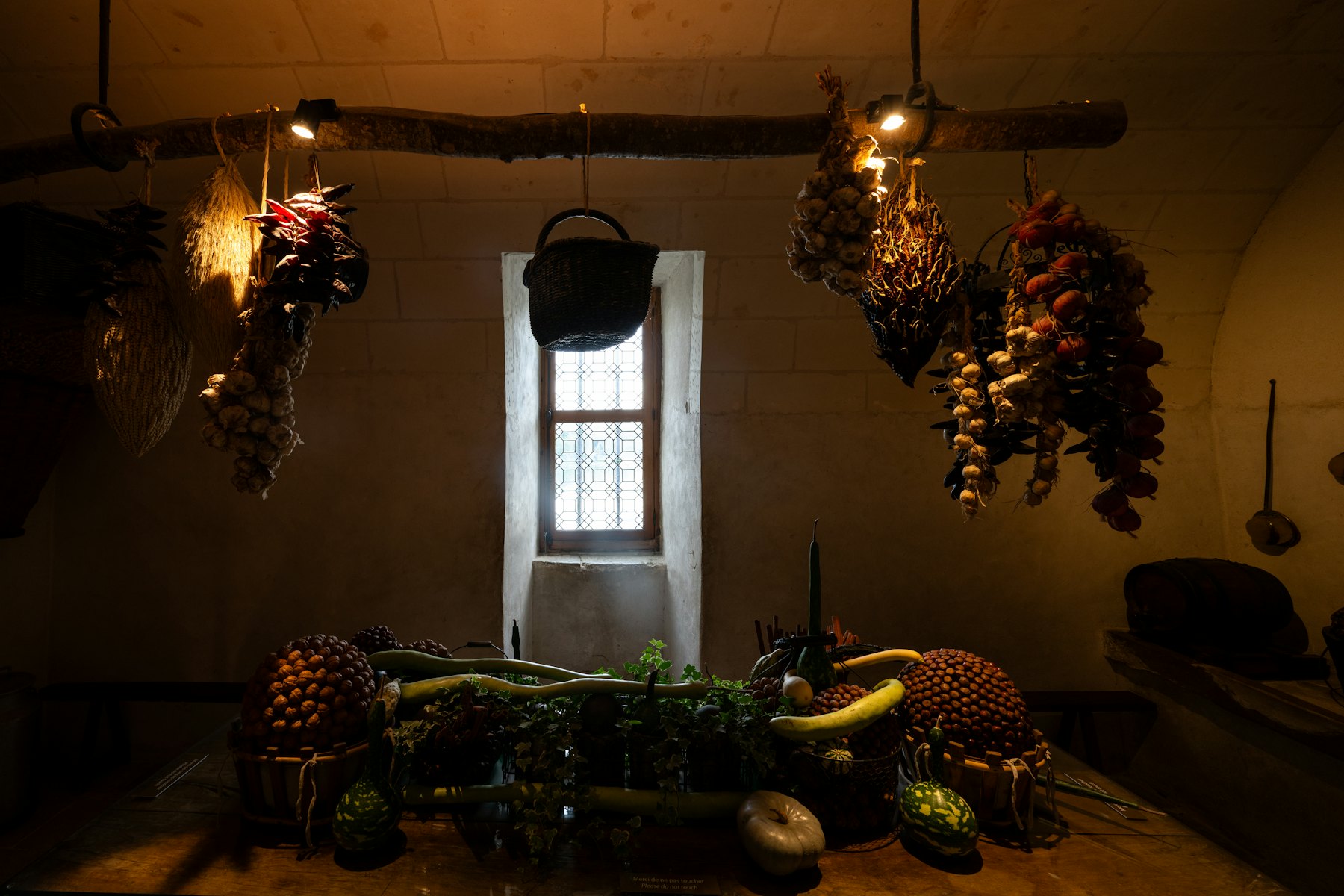
Bowls of goji berries, rose buds, red dates and dried leaves on a herb stall, with their Chinese labelsStock photograph 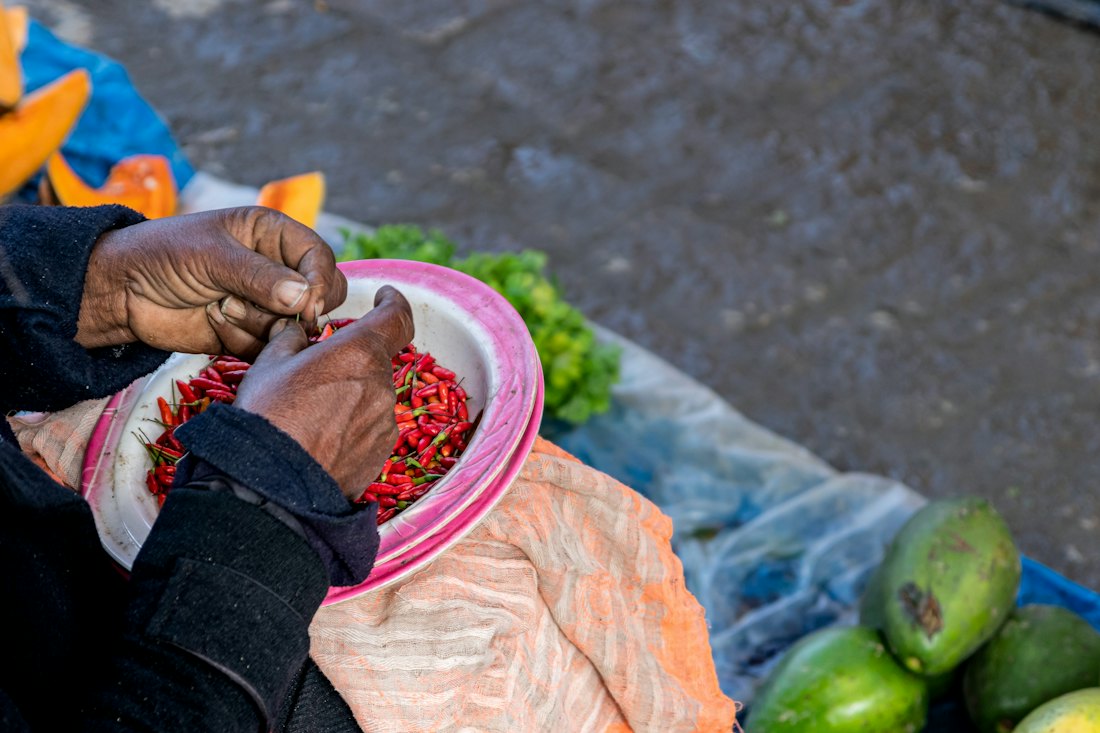
Dried roots heaped up on a market stallStock photograph
Theme 4 of 5
Food and lifestyle
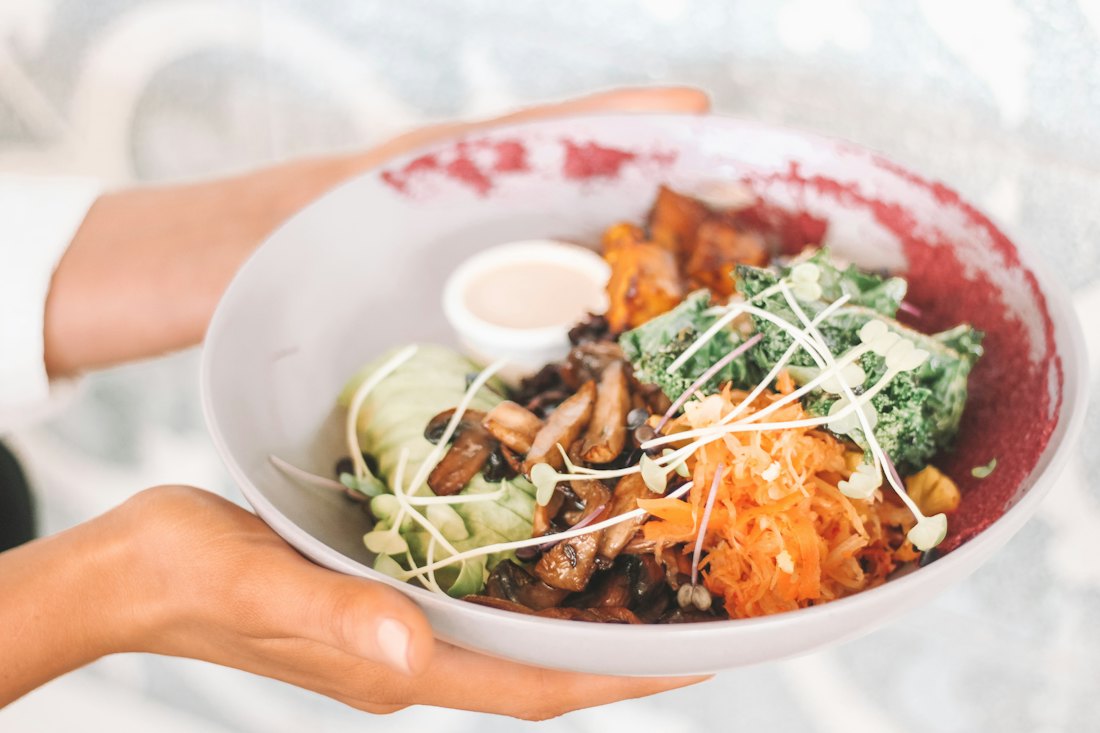
A plate of vegetables, leaves and grainsStock photograph 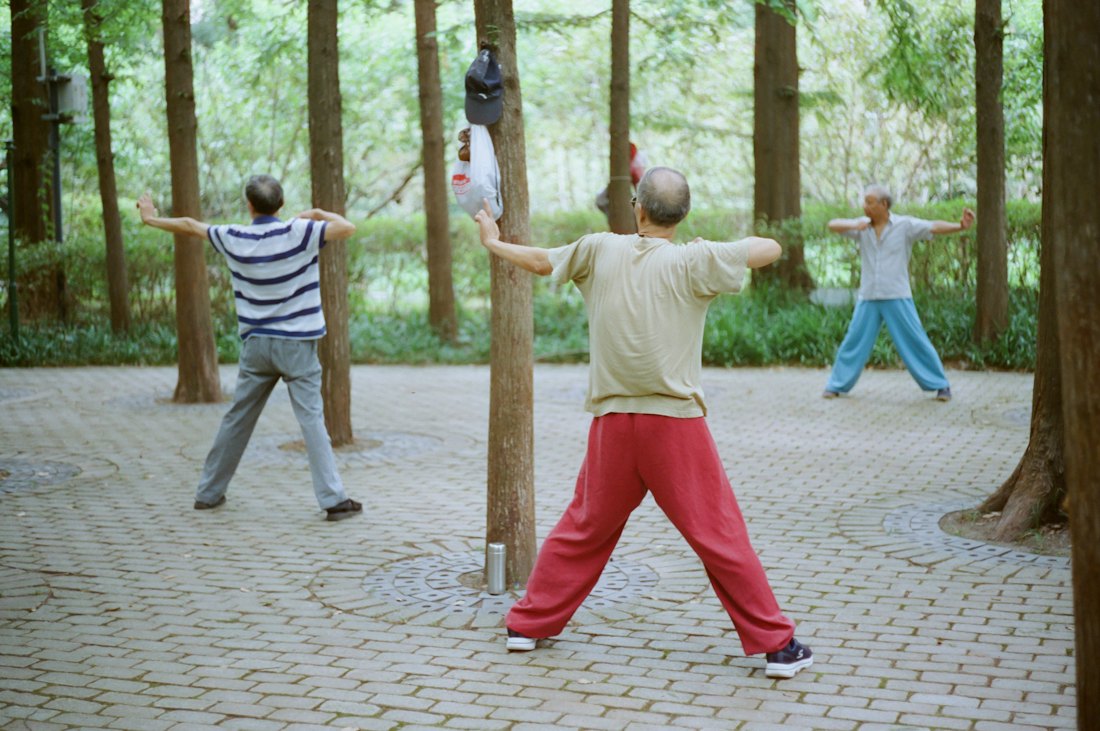
A group practising slow qigong movements in a parkStock photograph 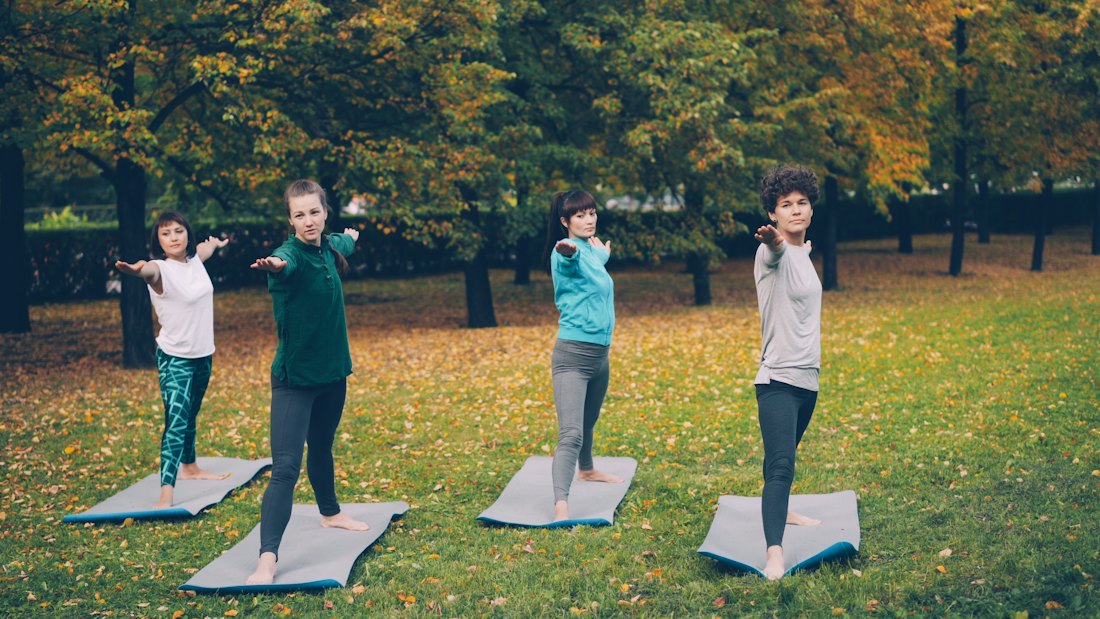
A practitioner moving through a fan form in front of a temple gateStock photograph
Theme 5 of 5
Community and graduation
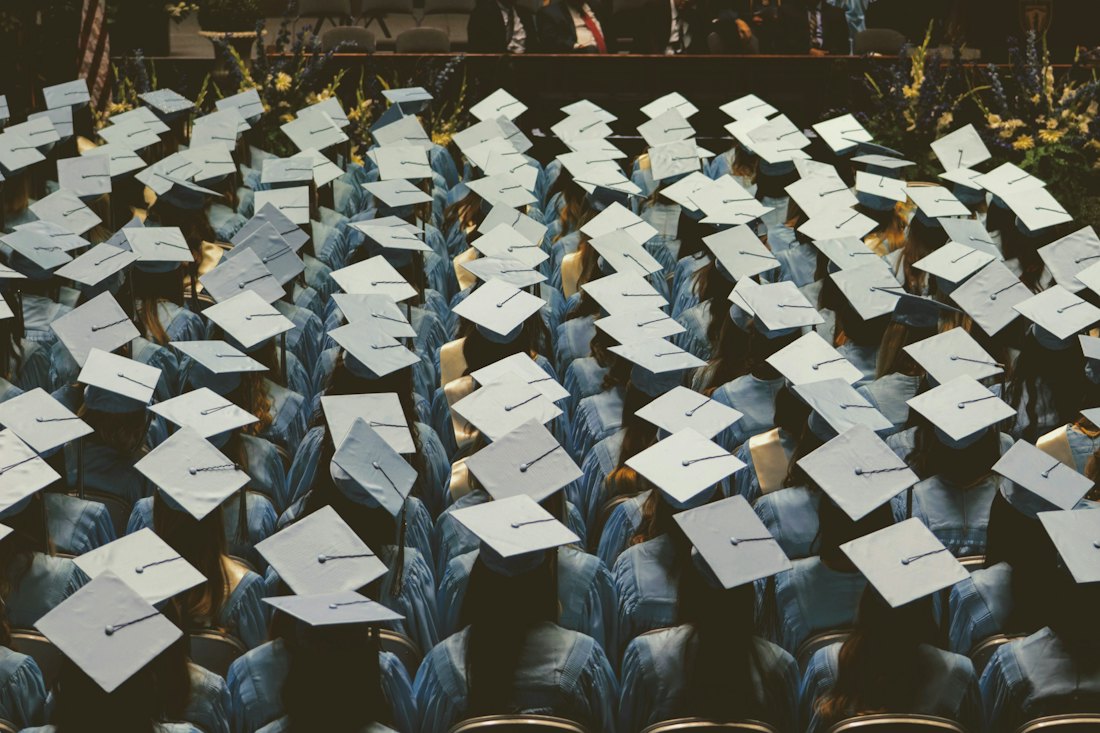
Graduates in gowns photographing themselves outside a university buildingStock photograph 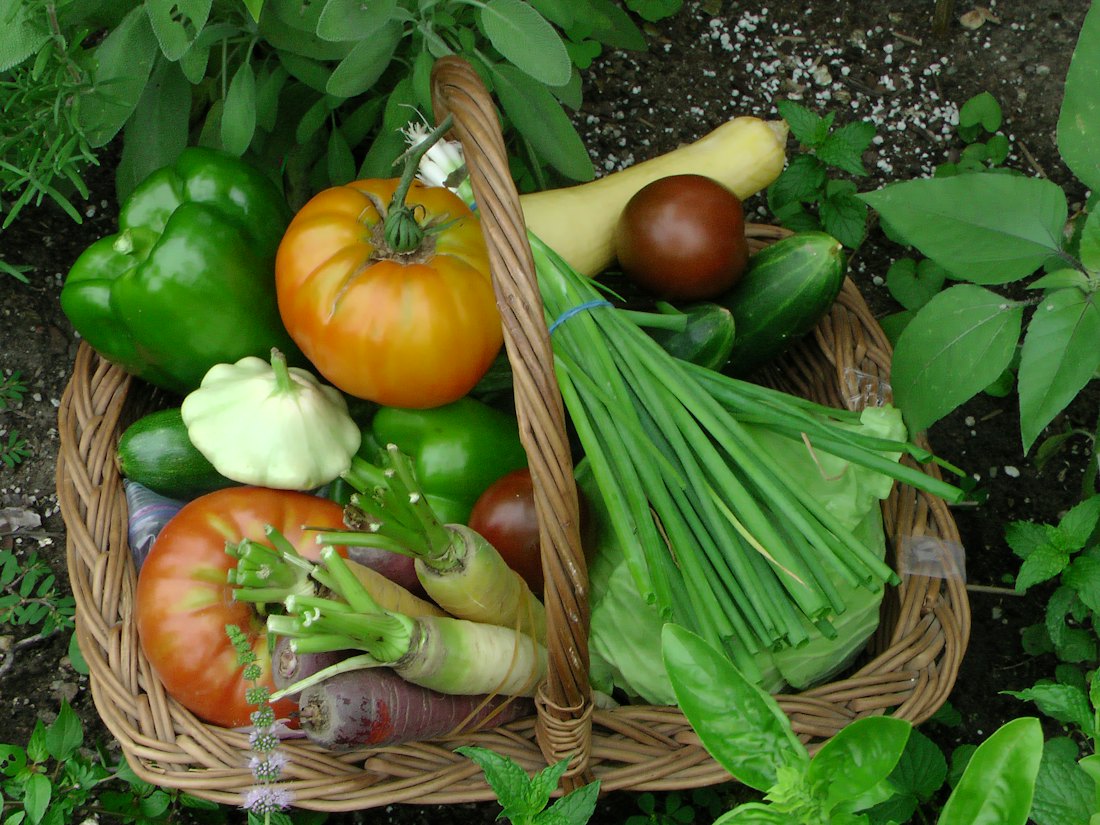
A vegetable stall at an outdoor marketStock photograph 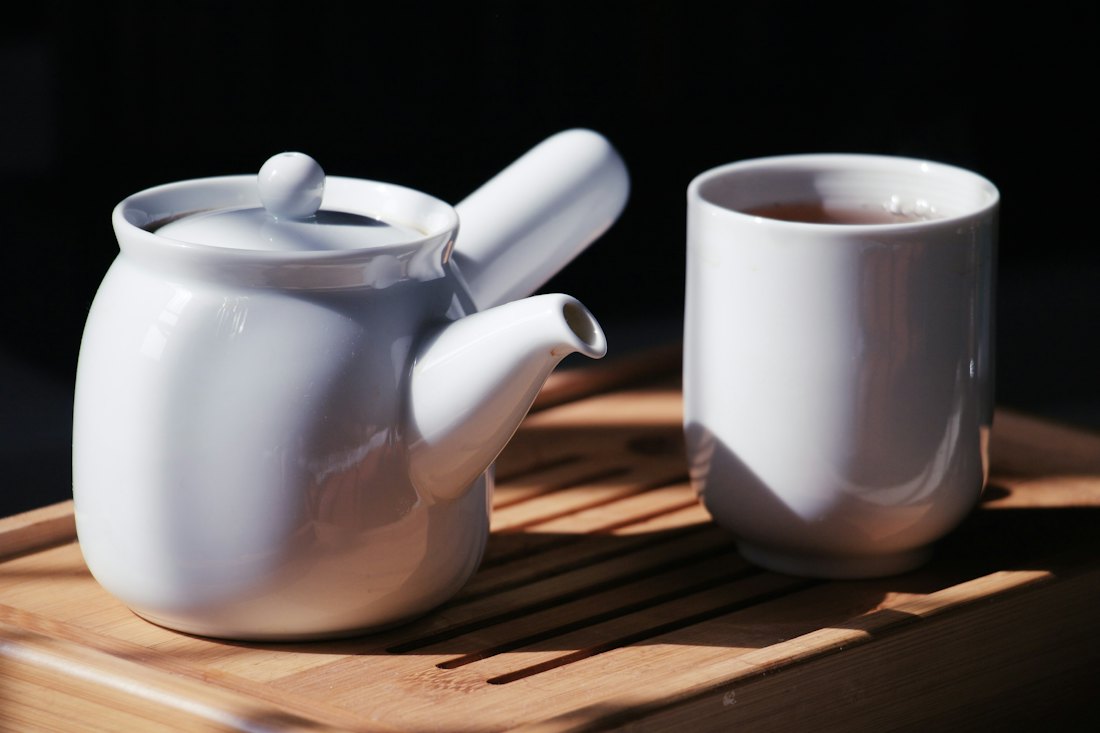
A tea table laid with small cups and a potStock photograph
What happens next
How these images will be replaced
Commissioned photography, with consent
A photographer will be commissioned to document teaching, the dispensary and the teaching clinic, with written consent from every person who appears and from any patients involved.
No identifiable patients without specific consent
Clinical photography is taken only with the patient's informed written consent for the specific use. Consent can be withdrawn later, and the image is then removed.
Watermarked files replaced first
Some of the stock files currently on the site carry a visible stock-library watermark. They are placeholders in the most literal sense: replacing them is the first task of the photography programme, and any image that cannot be licensed cleanly will simply be removed.
Images that do not match the subject removed
Several available stock photographs show conventional healthcare or school-age education rather than adult Chinese medicine teaching. Where an image misrepresents what the college does, it will be dropped rather than captioned around.
Descriptions written with the images
Each new photograph will carry a proper text alternative and caption describing what it shows, so that the gallery is usable by people who cannot see it.
Credits maintained
Photographer credits and licences are recorded in the site's credits file, and any image that cannot be traced or licensed is removed.
A note on the stock-image licence
The Unsplash licence allows free commercial use and does not require attribution, which is why the credits table is short. It does not permit using an image in a way that implies endorsement of the college by the people shown, or presenting a model as a student, patient or member of staff. That is exactly why the captions here describe the photograph rather than the college.
Accessibility
The images on this page are illustrative, so the information they carry is given in the captions rather than in image descriptions alone. If any image on this site is unclear to you, or you need a description of it in another form, see the accessibility statement.
Come and see the real thing
A gallery can only go so far. Open days include a tour of the teaching clinic and the herb dispensary, and you are welcome to look round before deciding anything.