Certificate · Indicative 6 months part-time
Chinese Diet & Lifestyle Therapy
中医养生学 · Yǎngshēng
- Level
- Certificate
- Duration
- Indicative 6 months part-time
- Intakes
- Rolling enrolment with four start points per year (indicative)
- Study mode
- Online
- On campus evening classes
- Blended
Overview
About this programme
Yang sheng, literally "nourishing life", is the branch of Chinese medicine concerned with how people live rather than what is done to them. It covers food, sleep, seasonal adjustment, movement and emotional balance — the everyday decisions that make up most of a person's health.
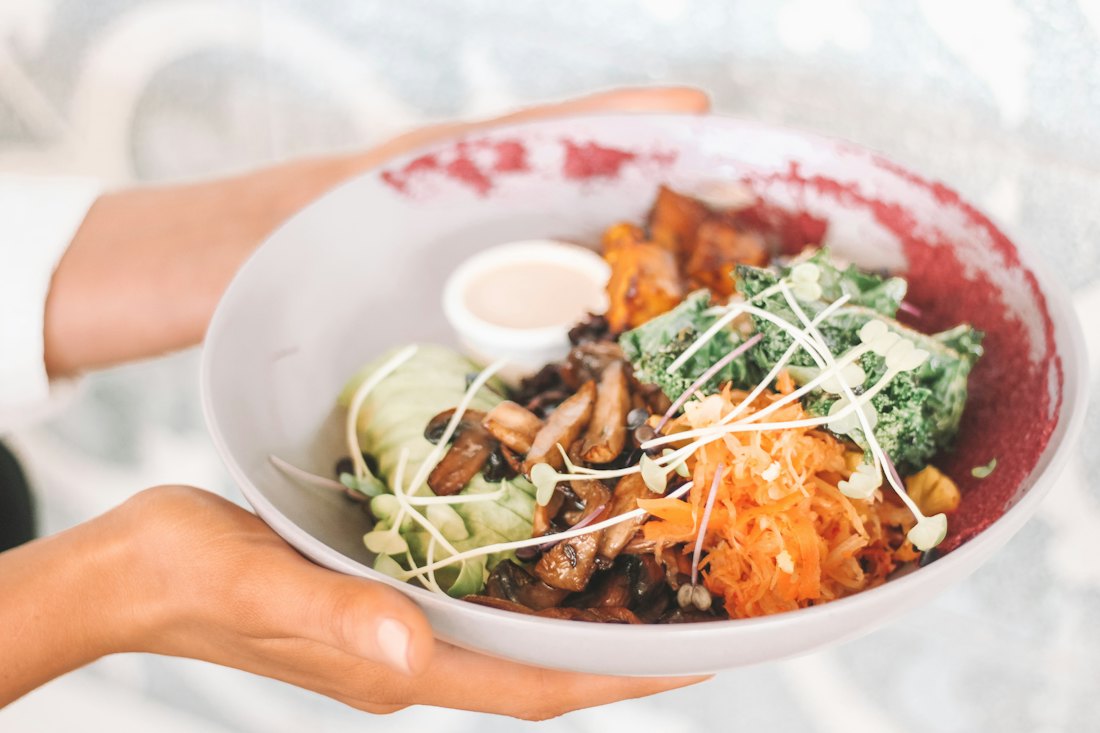
Food therapy sits at its centre. In the Chinese tradition foods are not classified by calories or macronutrients but by their nature and flavour — warming or cooling, moistening or drying — and meals are adjusted according to the season, the individual's constitution and what is currently out of balance. It is a coherent system, and it has been refined over a very long time.
This programme teaches that system as an educational subject. Students learn the classification of common foods, the logic of seasonal eating, and how the framework differs from — and sometimes agrees with — modern nutritional science. It is taught honestly as a traditional knowledge system, not as a substitute for dietetic advice or medical treatment, and the boundaries of that distinction are part of the curriculum.
Fees are available on enquiry. The college publishes fees on request rather than in a table, so that we can explain what each figure covers — tuition, assessment, materials and any clinical costs — and discuss payment by instalments. See Fees & funding or enquire directly.
Who it's for
Is this programme right for you?
- Members of the public who want to understand Chinese food therapy properly
- Cooks, restaurateurs and food writers interested in the tradition
- Nutritionists, dietitians and health coaches wanting cultural literacy in this area
- Chinese medicine students seeking the yang sheng component of practice
- Anyone caring for an older relative and thinking about everyday food choices
Learning outcomes
What you will be able to do
- Describe the Chinese classification of foods by nature, flavour and direction of movement
- Explain the principles of seasonal eating and how they are applied month by month through the year
- Adapt everyday meals for common constitutional tendencies, using plainly available ingredients
- Discuss the relationship between traditional food classification and modern nutritional science, including where they diverge
- Prepare a small repertoire of simple, seasonally appropriate dishes and broths
- Recognise the circumstances in which dietary advice must give way to clinical care, and refer appropriately
- Explain Chinese food therapy accurately to others without overstating what it can do
Curriculum
Programme structure
| Stage | Module | Format | Indicative hours |
|---|---|---|---|
| Unit 1 | The Chinese classification of foodNature and flavour, the four qi and five flavours applied to everyday foods, and the concepts of tonifying, clearing, moistening and drying. | Online + practical session | Indicative [XX] hours |
| Unit 2 | Seasonal eating and the calendarThe twenty-four solar terms and the traditional food calendar: what to eat and what to avoid as the year turns, and why. | Online + practical session | Indicative [XX] hours |
| Unit 3 | Cooking workshop: broths, congees and teasA hands-on session preparing a small repertoire of simple preparations, with attention to ingredient quality and everyday practicality. | On campus, practical | Indicative [XX] hours |
| Unit 4 | Constitution, habit and daily rhythmSleep, activity, rest and emotional balance within the yang sheng framework, and the traditional emphasis on consistency over intensity. | Online | Indicative [XX] hours |
| Unit 5 | Chinese food therapy and modern nutritionAn honest comparison of the two frameworks — where they corroborate one another, where they conflict, and how to hold traditional knowledge responsibly alongside evidence-based practice. | Online, discussion-based | Indicative [XX] hours |
| Unit 6 | Teaching and communicating food therapyHow to describe this material to the public accurately: what to claim, what not to claim, and how to make clear the difference between education and medical advice. | Online | Indicative [XX] hours |
Admissions
Entry requirements
- Open to all adults aged 18 or over
- No prior knowledge of Chinese medicine required
- An interest in cooking, food or health is the only real prerequisite
Full details, including how to evidence each requirement and how we handle applications from outside the UK, are on the entry requirements page.
Assessment
How you will be assessed
- A food-classification portfolio covering a set list of common ingredients
- A seasonal menu plan with written rationale
- A short reflective essay on the relationship between traditional food therapy and modern nutrition
What you can do afterwards
- Chinese Health Literacy — for those who want to teach this material to others
- Chinese Herbal Medicine — for students moving toward prescribing
- Community education and cookery teaching
Next steps
Applying for this programme
Step 1
Enquire or attend an open day
Ask us anything before you commit. Our open days include programme talks and a visit to the teaching clinic.Step 2
Check the entry requirements
Make sure you can evidence each requirement. If you are unsure about a qualification, ask us before applying — we assess prior experience as well as formal certificates.Step 3
Complete the online application
Applications are made through our online form. You will be asked for your details, your prior study, and a short statement about why you want to study this programme.Step 4
Conversation and offer
Most applicants are invited to a short conversation, in person or online. Offers are made after that, and include the fee schedule and payment options.
Questions
Frequently asked questions
Is this a diet course? Will it help me lose weight?
No. This is an educational course about a traditional system of food classification, not a weight-loss programme, and we do not present it as one. Some students do report changing how they eat, but the course makes no health or weight claims.
Do I have to cook during the course?
There is one practical cooking session, which most students find is the highlight. It is not compulsory to attend in person — an alternative written assignment is available for students studying fully online.
Can I give dietary advice to other people after this?
You will be able to explain the tradition accurately, which is genuinely useful. You will not be qualified to give individual dietary advice to people with medical conditions, and the course covers the distinction carefully. If you intend to advise clients professionally, you should check what your insurer and any relevant professional body require.
Does this conflict with advice from my doctor or dietitian?
It should not be treated as an alternative to it. If you are under the care of a doctor or dietitian, follow their advice. This course teaches the Chinese framework as cultural and educational knowledge, and includes explicit discussion of where it diverges from evidence-based nutrition.
Related study
You may also be interested in
Chinese Health Literacy
A foundation programme for the general public and for professionals who need genuine literacy in Chinese medicine concepts — what they mean, where they come from, and what they do not claim.
View programme
Chinese Herbal Medicine & Materia Medica
A systematic study of the Chinese materia medica: how individual herbs are classified and understood, how classical formulae are built, and how prescribing is done safely and responsibly.
View programme
Enquire
Ask about Diet & Lifestyle Therapy
Educational content notice
Content on this website describes Chinese medicine as it is taught and practised historically and is provided for educational purposes only. It is not medical advice and is not intended to diagnose, treat or cure any condition. Always consult a qualified healthcare professional about your own health, and never delay or stop conventional treatment because of something you have read here.
Placeholder information
Fees, exact dates, contact hours, module titles and the awarding arrangement for this programme are pending confirmation and are marked as placeholders throughout this site. Nothing on this page should be relied upon as a contractual commitment until the college publishes its validated programme specification.
Ready to apply for Diet & Lifestyle Therapy?
Applications are open for the next intake. If you would rather talk it through first, we are happy to do that too.