Certificate · Indicative 1 year part-time
Tui Na — Chinese Therapeutic Massage
推拿学 · Tuīná xué
- Level
- Certificate
- Duration
- Indicative 1 year part-time
- Intakes
- September and April intakes (indicative)
- Study mode
- On campus
- Online theory with on-campus practical intensives
Overview
About this programme
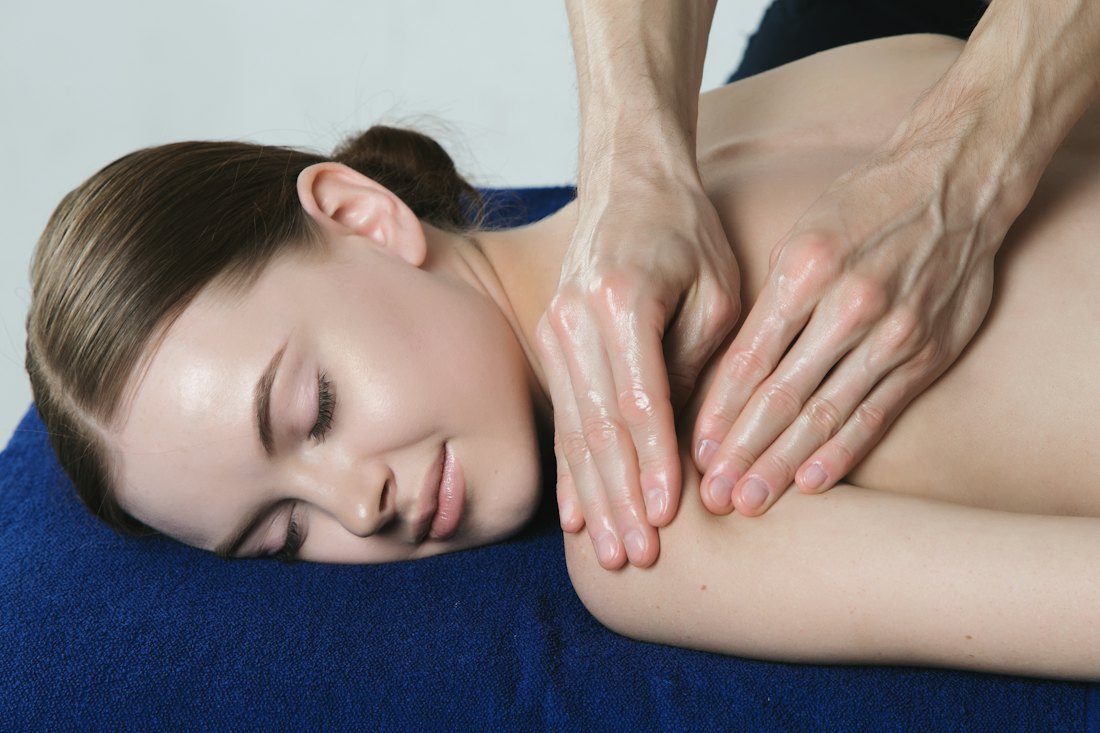
Tui Na is the manual therapy of Chinese medicine — literally "push and grasp". It shares a theoretical foundation with acupuncture, working through the channels, the joints and the soft tissues, but it reaches them with the hands rather than with needles.
The programme is built around repetition. The core hand techniques are straightforward to describe and take years to perform well, so teaching is dominated by supervised practical work rather than lecture. Students practise on each other from the first term, under close supervision, and are assessed on technique quality rather than on the ability to recite a sequence.
Alongside technique sits clinical reasoning. A treatment is not a fixed routine but a response to what the practitioner finds — which channel, which tissue layer, which direction, how much pressure, and when to stop. Students also learn the boundaries of the discipline: contraindications, red flags requiring referral, and the presentations that should not be treated manually at all.
Fees are available on enquiry. The college publishes fees on request rather than in a table, so that we can explain what each figure covers — tuition, assessment, materials and any clinical costs — and discuss payment by instalments. See Fees & funding or enquire directly.
Who it's for
Is this programme right for you?
- People entering manual therapy for the first time
- Sports and remedial massage therapists wanting a Chinese medicine framework
- Acupuncturists who want a manual modality to complement needling
- Carers and family members of people with long-term musculoskeletal conditions
- Practitioners who work with their hands and want to protect their own body
Learning outcomes
What you will be able to do
- Perform the core Tui Na hand techniques with correct body mechanics, pressure control and rhythm
- Work along the channels and on the joints and soft tissues in a reasoned sequence rather than a memorised routine
- Assess a patient manually — palpation, range of motion, tissue quality — and adjust treatment in response to what you find
- Explain the contraindications and precautions for manual treatment, and recognise presentations requiring referral
- Give appropriate aftercare advice and explain realistic expectations without overstating what treatment can achieve
- Protect your own body: posture, table height, and the working habits that prevent practitioner injury
- Maintain treatment records and obtain valid consent
Curriculum
Programme structure
| Stage | Module | Format | Indicative hours |
|---|---|---|---|
| Term 1 | Foundations and core hand techniquesThe fundamental techniques — rolling, kneading, pressing, grasping, vibrating — with attention to body mechanics from the very first session. | On campus, practical | Indicative [XX] hours |
| Term 1 | Channels, points and surface anatomy for manual therapyThe channel pathways as they are actually worked by hand, together with the anatomical structures that lie beneath them and the precautions each one implies. | Online theory + on campus | Indicative [XX] hours |
| Term 2 | Regional treatment: neck, shoulder and upper limbAssessment and treatment of the most commonly presented region, including the differential recognition of presentations that must be referred. | On campus, practical | Indicative [XX] hours |
| Term 2 | Regional treatment: back, hip and lower limbLumbar and pelvic work, with particular attention to safety and to the red flags that change a treatment plan into a referral. | On campus, practical | Indicative [XX] hours |
| Term 3 | Paediatric Tui Na — introductionThe distinct technique vocabulary and lighter pressures used with infants and young children, taught within clear scope-of-practice limits. | On campus, practical | Indicative [XX] hours |
| Term 3 | Clinical practice and professional conductSupervised treatments, record-keeping, consent, aftercare advice, and the practical business questions of setting up as a practitioner. | On campus, supervised | Indicative [XX] hours |
Admissions
Entry requirements
- Aged 18 or over at the start of the course
- No prior qualification in massage or healthcare is required
- Physical capacity to perform sustained manual work, with reasonable adjustments available
- A satisfactory enhanced DBS check before any supervised clinic element
- Completion of the college's pre-course health and safety induction
Full details, including how to evidence each requirement and how we handle applications from outside the UK, are on the entry requirements page.
Assessment
How you will be assessed
- Practical technique assessment against a published criteria checklist
- Supervised treatment observation in the teaching clinic
- A short written paper on contraindications, red flags and professional conduct
- A reflective treatment log covering the full course
What you can do afterwards
- Acupuncture & Meridians — a natural next step for manual therapists
- Paediatric Tui Na CPD short course
- Sports and remedial specialisation
Next steps
Applying for this programme
Step 1
Enquire or attend an open day
Ask us anything before you commit. Our open days include programme talks and a visit to the teaching clinic.Step 2
Check the entry requirements
Make sure you can evidence each requirement. If you are unsure about a qualification, ask us before applying — we assess prior experience as well as formal certificates.Step 3
Complete the online application
Applications are made through our online form. You will be asked for your details, your prior study, and a short statement about why you want to study this programme.Step 4
Conversation and offer
Most applicants are invited to a short conversation, in person or online. Offers are made after that, and include the fee schedule and payment options.
Questions
Frequently asked questions
Do I need to be strong to do Tui Na?
No — and in fact relying on strength is the most common way practitioners injure themselves. Tui Na technique uses body weight, stance and structure rather than muscular force. Learning to generate pressure efficiently is a core part of the teaching, and students who arrive worried about their strength usually find the technique easier than they expected.
Is Tui Na the same as a spa massage?
No. A spa massage is generally a relaxation treatment with a fixed sequence. Tui Na is a clinical modality: it is assessed, reasoned and adapted to what the practitioner finds, and it includes work that is not appropriate to perform without training. The two are different disciplines, though some techniques overlap.
Can I treat children after this course?
The paediatric component is an introduction, not a full qualification. It teaches the technique vocabulary and, importantly, the limits of competence. Students who want to treat children in practice are advised to take the dedicated paediatric short course and to check their insurance cover first.
Related study
You may also be interested in
Acupuncture & Meridians
A structured programme in meridian theory, point location and safe needling practice, taught through demonstration, supervised practice and clinical observation.
View programme
Chinese Health Literacy
A foundation programme for the general public and for professionals who need genuine literacy in Chinese medicine concepts — what they mean, where they come from, and what they do not claim.
View programme
Enquire
Ask about Tui Na Massage
Educational content notice
Content on this website describes Chinese medicine as it is taught and practised historically and is provided for educational purposes only. It is not medical advice and is not intended to diagnose, treat or cure any condition. Always consult a qualified healthcare professional about your own health, and never delay or stop conventional treatment because of something you have read here.
Placeholder information
Fees, exact dates, contact hours, module titles and the awarding arrangement for this programme are pending confirmation and are marked as placeholders throughout this site. Nothing on this page should be relied upon as a contractual commitment until the college publishes its validated programme specification.
Ready to apply for Tui Na Massage?
Applications are open for the next intake. If you would rather talk it through first, we are happy to do that too.