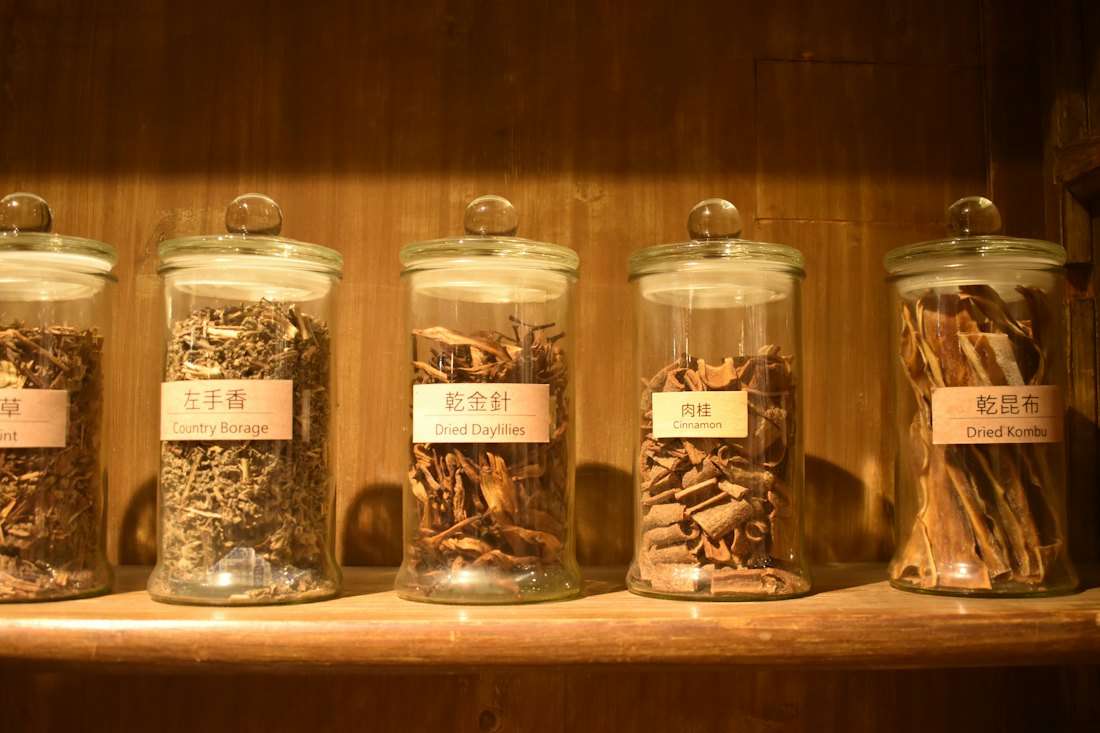
There is a persistent assumption that because a substance is natural it is therefore inert. This is false, and it is the source of most serious problems in herbal practice. Herbs contain active compounds; that is why they do anything at all.
The practical consequence is that a herbal prescription needs to be considered alongside whatever else a person is taking. Some herbs affect how quickly the liver clears other drugs. Some accentuate or oppose the action of a conventional medicine. Some are simply not appropriate alongside particular treatments.
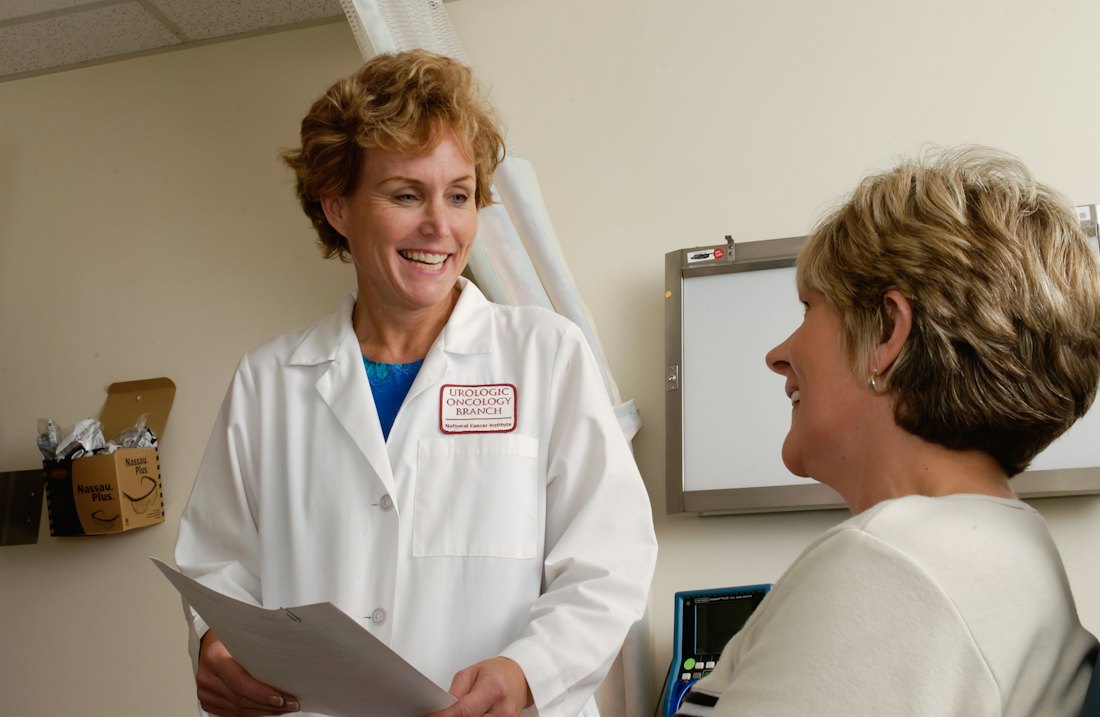
Good practice means asking, recording and reviewing. Any herbal practitioner should ask for a full medication list, including over-the-counter products and supplements, and should be able to explain what they checked and why. This is exactly the standard we teach, and it is assessed before a student reaches the clinic.
Placeholder article — the full text is not yet written
The paragraphs above are this article’s real opening. The remainder is still to be written by [AUTHOR — TO BE CONFIRMED] and reviewed by the relevant lead before publication. The structure below is shown so that the finished page can be reviewed; the body text of each section is marked as a placeholder and will be replaced.
What this means in practice
[TWO OR THREE PARAGRAPHS — TO BE WRITTEN] covering how the points above apply in the teaching clinic and what students are assessed on. This block marks the space; it is not article text.
“Any herbal practitioner should ask for a full medication list, including over-the-counter products and supplements, and should be able to explain what they checked and why.”
Where the limits are
[ONE OR TWO PARAGRAPHS — TO BE WRITTEN] setting out what this article does not cover, and where a reader should go instead. This block marks the space; it is not article text.
Educational content notice
Content on this website describes Chinese medicine as it is taught and practised historically and is provided for educational purposes only. It is not medical advice and is not intended to diagnose, treat or cure any condition. Always consult a qualified healthcare professional about your own health, and never delay or stop conventional treatment because of something you have read here.
Corrections and sharing
Spotted an error? Email press@scmat.org.uk with the specific point you are querying. Material corrections are dated and shown, not made silently — see our editorial statement and corrections policy.
These share links open your own email or social account. This website sets no tracking cookies and does not record what you share — see the privacy notice.